Random Acts of Kindness

When we generally think of random acts of kindness, we tend to think of the selfless acts that someone has done for us. Some may not realize it, but the little things you do for your partner are actually good for yourself.

When you care about someone, seeing them happy makes you happy. Surprising kind gestures also strengthen your bond with your partner.

Experiencing and witnessing kindness doesn’t just make you feel good emotionally, acts of kindness carry various health benefits due to the happy chemicals your brain releases. Putting your partner first, and doing small things to make them happy improve the dynamics of your relationship.

Acts of kindness don’t need to be extravagant or expensive to be effective. Just seeing your partner put in effort to making you feel good can strengthen your bond. A few, small, kind gestures can make your partner immensely happy, because it shows that you’re thinking of them.

Need some ideas for random acts of kindness? Look no further!

Leave Cute and Romantic Notes

Leaving your partner a few cute notes where they can find them randomly is more powerful than you might think. Slip a post-it note into their favorite book, their lunch, or in other spots where they can find them. Write a sweet message on it. They will likely end up reading it when they least expect it, and even one note can brighten up your partner’s day.

Buy Them Coffee

If your partner has a specific coffee shop they love going to, grab them a coffee on their way to work, or even sending one to their work via a food deliver app. You can do this for any cafe or restaurant they love, and is a sure way to give them a happy surprise.

Turn Off Your Phone

We live in an age where everybody is on their phone all the time. So giving your partner attention without tech distractions is a big gesture.

Put your phone away the next time you’re together during dinner, and watch the conversations unfold!

Help Them Handle Their To-Do List

If you know that your partner has a lot on their plate, or they’re juggling a lot of tasks, offer to help them out.

You may not be able to help with everything, but even grabbing some groceries so they don’t have to, or running to the dry cleaner for them, will be very appreciated. And the less time they have to spend on their to-do list, the more time they have to enjoy it with you.

Fill Up Their Gas Tank

Especially with gas prices always on the rise, a surprise tank of gas is always an appreciated gesture.

Ask to borrow their car (even if you don’t need it) and surprise them by filling up the tank on the way home. This is a simple gesture to make, but is extremely thoughtful.

If you leave a cute note on the steering wheel, it can be the cherry on top.

Send Them a Random Cute Text

Sometimes even a short text can mean the world, if it’s coming from someone we care about.

Remind your partner how much they mean to you with a simple text message during their work day. If you don’t normally do it, a simple “good morning :)” text can be great to wake up to.

And if they’re having a particularly bad day, hearing from you may be just the thing to turn it around.

Buy Their Favorite Snacks

Never underestimate the power of food.

Stock up on your partner’s favorite snacks and drinks at your place so you can surprise them at any spontaneous time. Movie or game nights will be even better when favorite snacks enter the picture.

If you two live together, you can pick out a specialty item that they love and bring it home. It’s a small but very thoughtful gesture that can make them appreciated.

Take Part In Their Favorite Activities

No two people have exactly the same tastes, and that’s okay.

What’s important is that you take the time to support and celebrate your partner’s hobbies and interests. This can be in the form of supportive words, but it’s even better to try it with them.

Don’t worry about not being good at it or if it isn’t your favorite thing in the world, what’s most important is that you’re doing the activity together.

Let Them Choose the Movie

Movie nights are the classic relaxing night in, but sometimes it feels like deciding what to watch is almost as long as the movie itself!

If they have a movie they want to watch, watch it together. Even if it’s not a movie you’d typically watch alone, they’ll be happy they get to share this experience with you.

Small Acts of Kindness… BIG Payoff

Doing these small acts of kindness might not be a huge deal for you, but they can make a world of difference for your partner.

Most partners know that you love them, but sometimes it’s good to show them that you care. The beauty of random acts of kindness is that they don’t need to be grand, and sometimes it really is the thought that counts.


The Importance of Date Nights

When a relationship or marriage is just starting out, it’s easy to set aside time for special nights out; perhaps you’re in the ‘honeymoon phase’ and every night is date night.

Unfortunately, once your careers become more intense, or children enter the picture, date nights become less of a priority.

Before long, couples may find their relationship getting stale, or lacking in the romance department. Frankly, both parties are probably feeling the effects of the rut that they’re stuck in.

A date night could be just what the doctor ordered.

If done correctly, they may be the cure that brings romance back into the relationship!

When life becomes crazy busy, making an intentional effort to schedule time with your significant other is more important than ever.

Let’s discuss some of the reasons why special nights with your special person are so important.

What are Date Nights?

Date nights are planned evenings where couples can relax and enjoy the company of one another, possibly accompanied by an event or change of location, like dinner at a restaurant.

You and your significant other LOVE Star Wars? Date night could be pizza and binging the movies.

Have a favorite (maybe even fancy) restaurant that you both love going to? Sounds like the perfect place for a date night!

The beauty of date nights is that they can take any form, as long as the people actually on the date are enjoying themselves, and their partner!

Why date nights are important

There are countless benefits to having a planned date night. And most likely, every couple will have their own reasons, and versions, of date night.

To name a few:

Reduces stress

Regularly planned date nights can help you reconnect with your partner, and allow for some much needed relaxation. Let’s be honest, life gets chaotic sometimes. Dedicating the time to talking and being around each other can help get your mind off the stresses of everyday life, and put what matters back in to perspective.

Special time set aside with your partner also creates a safe space to talk about important topics, and a chance for each partner to speak honestly, knowing that their partner is giving them 100% of their attention.

Increases intimacy

Date nights don’t just reduce stress, they also increase intimacy.

As life becomes more hectic, making time for intimacy with your partner can be a challenge; especially if kids are in the picture.

Date nights are the perfect opportunity for adding a bit of spark back into the relationship. While planned times for intimacy may not sound too sexy on paper, the fact is that romantic nights with your partner are often just what’s needed. And with busy schedules, some things just won’t happen unless they’re planned in advance!

Making an intentional effort to stoke the flames of the fire that got the two of you together can help the fireworks fly like they used to. Date nights can remind you about when you two first began dating each other.

If the spark has been gone for a while, romantic plans with your partner may remind you fell in love in the first place; and lay the foundation for reigniting the passion you two once shared.

Strengthens relationships

In a simple and concise way: date nights strengthen relationships.

Spending time together might give you the breathing space you need, away from the stress of daily life. Consistent date nights allow for more communication and intimacy, both of which strengthen the relationship between you.

It can help the two of you come closer together and find the strength in each other to overcome, current and future challenges. The two of you will be more of a team. And the open communication will allow for any important discussions, before they become arguments later on.

How Often Should You Go on Date Nights?

It depends!

A couple nights a month may be ideal for one couple, whereas once a week may be preferred by another.

Ask yourself what you need, and discuss it with you partner to find something that works for the both of you. Figuring out a time and schedule means you can also plan for any hurdles, such as planning for a babysitter, or making a reservation somewhere.

How often should parents go on date nights?

Sometimes parents need a break.

And boy, do they certainly deserve one.

Parents might be the best multitaskers out there. Balancing work, kids, maintaining a social life and still trying to get 8 hours a sleep a night is almost an impossible task.

A date night is the perfect way for parents to relax and recharge their batteries, at least for a night. It could be going to a restaurant just the two of you, or something more lavish like renting a hotel room and ordering room service, there are many ways that parents can make time for themselves.

If money is tight, then even just having a night in and dropping the kids off somewhere else (grandparents are perfect for this) can make for a great date night. It doesn’t have to be fancy, it just has to be fun and relaxing.

As long as a date night is planned, that’s the most important thing.

Date Night Ideas

Reading this, you might be thinking that this just sounds like another chore for your to-do list.

But it’s important to keep in mind why you’re putting in the effort in the first place: for you, and to spend time with someone you love.

Fortunately, it doesn’t have to be a lot of work; and a little effort goes a long way.

Try and discuss things that you both might enjoy doing. If you share a passion, or want to try something new, taking a class together might be a great idea.

If money is tight, time is tight, or both!… All it takes is a little creativity to make anywhere and anytime special.

Here are a few simple ideas for date nights you can try:

  • Leave small clues around the house for a mystery date, maybe to a location that’s important to you. It can even be at home! And if you’re going to leave scraps of paper around, then maybe even some homemade coupons for back rubs could make a good addition.
  • Put the kids to bed early. Take out some scented candles. Cook something simple, or maybe order in, and enjoy a candlelight dinner with each other.
  • Hop in the car, pick a direction and distance, and just drive. When you get to the mile marker, find the closest restaurant and grab some food at a new place. Perfect for when no one knows what to eat.
  • Arrange a games night with your partner, order some pizza, and have some drinks. Date night doesn’t have to be fancy to be romantic and special. Sometimes the thought really does count.

Date Nights Help Relationships

Sometimes there’s a difference between dating someone and going on dates with them.

The more you make time for your partner, the more your relationship will benefit, and the stronger it will become. Do things you both enjoy. Even if energy and motivation is lacking, the schedule is too busy, or money is too tight, there will always be a way to enjoy a special moment with your special person.

Just the thought and sight of you going out of your way to make a moment special, that’s what makes a moment special.

Horny Goat Weed for Men and Women

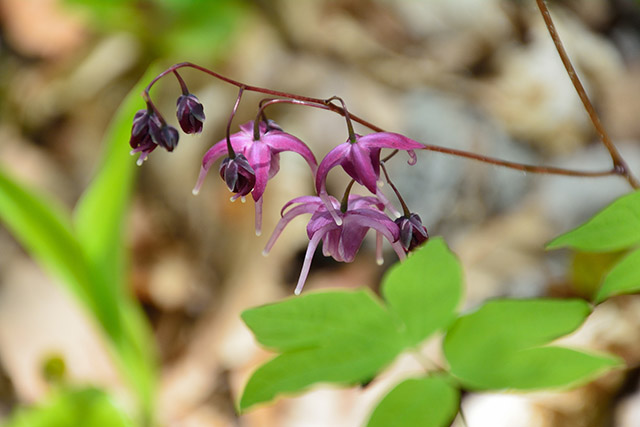
Epimedium, barrenwort, bishop’s hat, and fairy wings.

No, they’re not ingredients for a magic potion; they’re all the same name for the Traditional Chinese Medicine Yin Yang Huo, or Horny Goat Weed as it’s often referred to.

For those unfamiliar with the plant, the name may inspire the imagination or elicit a snicker.

The flowering Epimedium plant is actually part of the (non-magical) Berberidaceae (or barberry) plant family. Native to China, small clusters of Asia, and the Mediterranean the plant has been used to treat a variety of ailments for over 2,000 years. If the name didn’t give it away, the plant is most well-known for its positive effects on the libido.

Why is it Called Horny Goat Weed?

According to legend, a goat herder noticed that his group of goats would, out of nowhere, become extremely sexually aroused. After some astute observation the herder discovered that the sudden behavior only occurred after his animals ate bunches of flowering plants located only in certain areas of the meadow.

There’s a reason they call it “horny” goat weed.

Since then the plants have earned their name, as well as a reputation for helping other animals (i.e. us) in a similar manner.

Why is it called Horny Goat Weed?

What is Horny Goat Weed?

Used for more than two millennia in Traditional Chinese Medicine, Horny Goat Weed is the name given to over 20 leafy flowering plants that belongs to the Berberidaceae family of flowering plants. It’s widely believed to stimulate hormones in the body that improve arousal and sexual function.

The main active ingredient in horny goat weed is icariin, a natural chemical compound found only from these species of plant. Icariin is one of the main compounds responsible for the health benefits that have been reported.

It should be noted that extensive research, controlled studies, and testing for horny goat weed are lacking. Without this testing and controlled clinical trials, there isn’t much scientific evidence to support the anecdotal evidence of benefits. That being said, the lack of evidence doesn’t discount the possible benefits. Horny goat weed is safe for consumption and sold over-the-counter in stores.

The only way to know if it’s right for you is to try it. We’ve learned what horny goat weed is, but what does horny goat weed do?

The Effects of Horny Goat Weed

Icariin, the active ingredient in horny goat weed, has many different functions and benefits, especially regarding blood flow, blood vessels, and the heart.

Horny goat weed also contains phytoestrogens, a chemical compound that comes from a variety plants, which has been suggested to promote hormonal and bone health.

Those that have taken horny goat weed, and attest to its benefits, have reported improvements in:

  • Erectile dysfunction
  • Low libido levels
  • Osteoporosis
  • Osteoarthritis
  • High blood pressure
  • Heart disease
  • Joint pain
  • Bronchitis

Horny goat weed has also been reported to improve memory and mental sharpness, as well as improve circulation and reduce blood clots.

Horny Goat Weed for Men

Horny goat weed is probably most well known as a natural erectile dysfunction supplement.

During sexual arousal, nitric oxide (found in many foods) send signals to the penis that encourage the muscles to relax and allow more blood to flow into it, leading to an erection.

An enzyme called protein phosphodiesterase type 5 (PDE5) interferes with this process, preventing blood from flowing properly and creating an erection.

The body generally suppress the production of PDE5, but men with erectile dysfunction can’t suppress it enough on their own.

Icariin, the active ingredient that we learned about prior, prevents PDE5 from constricting blood flow. Icariin allows blood to flow properly into the penis so an erection can be created. The popular ED medication Viagra works in a similar way.

In fact, many people refer to horny goat weed as natural Viagra because of the similar effects it can have on erectile dysfunction. A study published about the effects of horny goat weed on PDE5 further support these claims.

Horny Goat Weed for Women

Horny goat weed doesn’t just help the penis. It can boost sexual activity and function for women, as well as offer a broad range of physical and mental benefits.

In addition to icariin, horny goat weed contains natural chemical compounds called phytoestrogens. These compounds mimic natural estrogen found in the body, and have been shown to benefit those suffering from symptoms and conditions caused by estrogen deficiency.

Dropping estrogen levels can affect mood, energy, and can cause a myriad of hormonal issues. Due to their nature, phytoestrogens may be particularly beneficial to premenopausal and postmenopausal people, as well as those suffering from premenstrual syndrome (PMS) symptoms.

Hormonal issues such as acne, and even breast cancer, have been suggested to benefit from the addition of phytoestrogens found in horny goat weed.

More research needs to be done however, so discuss it with your doctor if you’re considering horny goat weed for yourself.

How Horny Goat Weed works for Men and Women

Improves Libido

Regardless of gender, horny goat weed has been shown to improve sexual drive, and function of the sex organs. Due to these reported claims, horny goat weed is seen by many as a natural aphrodisiac.

Supports Blood Flow

Icariin encourages better blood flow in the body, most notably to the sex organs. This increased blood flow plays a vital role in sexual function and arousal. Icariin also has cardioprotective properties that suggest it can help maintain good cardiovascular health.

Encourages Hormonal Balance

Phytoestrogens and icariin are powerful tools to aid in hormonal balance, regardless of gender. Icariin has similar properties to testorone and may actually increase testosterone levels in males, and phytoestrogens have already been mentioned to support a wide range of estrogen-related issues.

Reduces Stress

The general benefits of horny goat weed can also include reduced stress levels. Clinical trials with mice have found that administering them the herb can reduce cortisol levels. Cortisol is the stress hormone that can also lower your sex drive if the levels are too high.

This is in addition to the other cognitive benefits such as mental sharpness and clarity, and improved concentration.

Enhances Testosterone

Testosterone is considered to be the primary sex hormone in men. It has libido-boosting effects for both men and women. Human studies are limited, and more research needs to be done, but there’s a study that linked increased levels of testosterone due to horny goat weed.

Side Effects of Horny Goat Weed

Horny goat weed for men and women is safe for human consumption, assuming it’s taken properly at the proper dosage. According to the National Institute of Health, taking extremely high doses could be toxic for your liver and kidneys; like everything, moderation is key.

Horny goat weed is not appropriate for all medical conditions, and may actually be harmful to certain individuals.

It can cause complications for:

  • Breastfeeding or pregnant women
  • People with low blood pressure or heart issues
  • Women with hormone-sensitive conditions
  • People with bleeding disorders

Always Consult a Medical Professional

Horny goat weed has a lot of beneficial effects associated with it, so you may be interested in adding it to your own diet.

If you choose to use horny goat weed, look for products with clear labels that show the ingredients and proper nutritional information. Also be sure that the bottle is securely sealed, and that you buy it from a reputable store.

If you have any prior medical conditions (or even if you don’t), consider speaking with your doctor or another medical professional before consuming any horny goat weed. They can help figure out the best dose, and may even have suggestions for ingestion method (capsules, powders, teas, etc.).

Horny goat weed is more than just a clever name, and it may be just what you need to improve your life; both medically, and in the bedroom.

The Science of Love

Love has long been a favorite topic for poets, singers, songwriters, and philosophers. But what do scientists think?

What does science have to say about love? Is there actual science to it?

Our brain is the central processing unit for who we are, how our minds work, and everything that we perceive. Whatever emotions we feel is because our brain responds to stimuli by releasing certain chemicals.

Scientists in various fields, from neuroscience to anthropology, have also been discussing the science behind love for decades. There is still much about love that we can’t explain, but there are quite a few that we can.

Attraction, Lust, and Attachment

Think about the last person you were attracted to.

Not just a passing fancy, or some celebrity, but someone you really wanted. Someone you knew personally that, whether it be emotionally or physically (or both!), but you found yourself drawn to them. Attracted to them.

Everybody reacts differently, but you might have felt nervous, flush, or even noticed your heart beat a little bit harder, and a little bit faster.

Isn’t it amazing how you react physically from something like a conversation with a crush? Or how kissing someone can give you butterflies in your stomach.

The reality is, that it’s all happening because of your brain. Your body reacts to your brain going haywire during love or extreme arousal.

Dr. Helen Fisher leads a team of scientists who have been researching the science behind love. According to their work, you can break down romantic love into three distinct categories:

  • Lust
  • Attraction
  • Attachment

Our brain releases a unique blend of chemicals that drives each of these categories of love.

Lust

The desire to satisfy our sexual needs is what drives lust.

In a purely scientific context, lust exists because of our biological need to reproduce. We are social animals, and we feel compelled to procreate like all other beings. We can pass on our genes through the reproductive cycle and continue our species.

The hypothalamus region in the human brain has a big part to play when it comes to lust.

It stimulates our testes and ovaries to produce testosterone and estrogen, respectively. These two are sex hormones that encourage us to want to reproduce. A common misconception is that the two hormones are “male” and “female” when both play a role in each sex.

Testosterone increases libido in everybody. Estrogen is more subtle in that respect, but some women do report feeling more motivated to have sex when they are ovulating, when estrogen levels are at their peak.

Attraction

Attraction is closely related to lust, but it’s not the same thing.

Attraction essentially relates more to the pathways in our brain that control our reward behavior. It’s likely the reason why we feel so excited, flustered and overwhelmed in the initial stages of a relationship.

The hypothalamus produces dopamine – the chemical that gives us that reward sensation. The brain produces dopamine when we do something that feels good or pleasurable. Spending time with someone we love, and having sex, are two excellent instances where we see increased dopamine.

When we feel attracted to someone, our brain releases a substantial amount of dopamine as well as norepinephrine. Both hormones make us feel excited, giddy, euphoric, and energetic.

Too much of them can even cause loss of sleep or appetite. Have you ever heard of someone being so in love that they couldn’t eat or sleep? There is a science behind it.

Brain scans of people in love have shown that the part of the brain responsible for feelings of reward become highly active when they’re shown pictures of the person they feel immense attraction towards, rather than when compared to a picture of someone else.

Attachment

Last, but certainly not, least is attachment.

Attachment is a major factor in the success of long-term relationships, romantic or otherwise.

Lust and attraction are usually thought to be exclusive to romantic endeavors, whereas attachment extends to many, if not, all of our important relationships. Best friends, childhood friends, favored colleagues and admired mentors are all examples of attachment.

We can’t understand attachment and love without talking about Oxytocin, the cuddle hormone or love hormone.

The hypothalamus produces oxytocin in large quantities during breastfeeding and childbirth. But it’s also associated with hugging, sexual activity and orgasms, as well as strengthening relationships, and building empathy and trust.

Oxytocin is vital to creating the feelings of bond or attachment, and thus love, between people.

Why Love Can Hurt

The same chemicals that make us feel happy and giddy can also create problems for us.

Dopamine is responsible for a major part of the feelings of reward, this comes with pros and cons.

An activity that is very pleasurable releases a lot of dopamine. Since it feels so good, our body wants to do it again; so that more dopamine is released. To anyone that’s suffered addiction from substances like drugs and alcohol, this may sound familiar.

The attraction we feel to someone else is just like an addiction to another human being. Like addicts going through withdrawal, longing and heartbreak can give us similar feelings when we can’t be with the one we love.

Final Thoughts

So, it appears that there may be a chemical formula for (parts of) love.

However there are more things that we’ve yet to learn about love. Anyone that’s experienced deep intense love could probably tell you that love is complicated. Love is something more.

If it was all about the chemicals, we could fall in love with anyone, under the right circumstances. Which is obviously not the case.

Nevertheless, learning about the the aspects of love can help us better understand our own feelings a bit better; which is useful when pursuing arousing emotions, or healing from heartbreak.

Is your partner cheating?

Is my partner cheating on me?

Are they cheating or am I paranoid?

Unfortunately, by the time you’re asking yourself questions like these, something is already raising your suspicions.
Sometimes the first sign that your partner is cheating is just a gut feeling.

Maybe you can’t quite put your finger on it, but there’s just a feeling in the pit of your stomach and a lump at the back of your throat.

The signs of an unfaithful partner can vary greatly for every relationship, so it’s important to consider things like their personality, mannerisms, dating history, etc. before deciding to pursue your suspicions, and confronting your partner.

Every relationship is unique, and partners may express their love, affection, and communication in different ways, however there are a few common traits to watch out for if you suspect infidelity.

This list isn’t exhaustive, but if they are checking off some these boxes, a talk with your partner may still be a good idea even if they aren’t cheating.

The common ways of how to tell if your partner is cheating can include but are not limited to:

Secretive (or sudden change in) Phone Use

People who cheat on their partners may suddenly change their behavior when it comes to their mobile phones. They may begin using their phone more than usual, or become more private about its contents and contacts.

If you notice a sudden change in how your partner is acting with their phone around you, and in general, then something may be amiss. Unexplained calls, unknown contacts, being more protective of where they leave their phone are all signs to look out for.

It may not just be more phone use, sometimes the problem is that they’re using their phone less; specifically when it comes to you. If your partner starts ignoring your messages yet is always on their phone, it could be a sign that something is amiss.

Improved Appearance

Is your partner dressing better? Perhaps they’ve started exercising regularly, and made some improvements to their diet.

It’s important to consider that adopting healthier behaviors does not automatically mean that your partner is seeing someone else behind your back.

There can be many (positive) reasons that someone would want to improve their appearance, but if you notice that this type of behavior is coupled with more time spent without you, like plans with friends, work functions, and the sort, then you may just want to keep your eyes and ears open.

Significant Change in Sex Life

Couples tend to develop a rhythm, or pattern, to their sex lives (with some deviations, of course). So is it shocking to hear that a sudden change in your sexual activity could be a sign of infidelity? If you find that sex with your significant other is different than it used to be, with them being the instigator for the changes, then it wouldn’t be a bad idea to talk to your partner about it. When it comes to sex, and most other aspects of a relationship, communication is key.

What kind of changes are we talking about?

Be on the lookout for a decrease in sex drive or sexual desire towards you. This could mean that their sexual desire is fixated on someone else.

Alternatively, a sudden increase in sexual desire or sex drive may also be a sign of infidelity. A guilty partner may become more affectionate and intimate out of remorse; and a person with something to hide may exhibit similar behaviors to try and cover up any suspicions of wrongdoing.

If sex has more-or-less stayed the same, but you notice the emotional connection, or ‘spark’, is gone, or just isn’t what it used to be, that could be a sign of trouble and definitely merits a discussion. Fading emotional intimacy is a major sign of relationship trouble, to say the least.

Unexplained Expenses

Find odd credit card charges on your partner’s credit card? Do they suddenly have less money than they normally do? Bank account looking a little lighter than usual?

Changes in spending, and unexplained expenses, can be a sign that something (or someone) is costing your partner a little extra money.

By no means go out of your way to invade your partner’s trust and privacy by prying at their financial information, but do stay alert if they suddenly make excuses for their uptick of lavish spending or lighter wallet; this is especially true for those couples with joint bank accounts.

If you notice there’s less money in your (joint) bank account than there should be, something ‘fishy’ may be going on; secret dinners, gifts, vacations, and hotel rooms aren’t going to pay for themselves, after all.

Hostility, Anger, or Moodiness

Many things can go through the mind of someone that is cheating on their partner, and these thoughts and emotions can manifest themselves in a number of different ways.

It could be out of guilt, shame, anger, spite, or the belief that their actions are justified, but if you notice your partner is more irritable or hostile towards you, or other weird changes in their behavior, it could be a sign that something is weighing down their mind.

Even if it’s not infidelity, sudden changes in mood often warrant a discussion with your partner, especially if you’re on the receiving-end of some of the more nasty moods.

What should you do if your spouse is cheating on you?

If you followed the signs and have discovered that your partner is, in fact, cheating on you, it can feel like your whole world is crashing down around you. Simply put: it sucks (and that’s an understatement).

But now that you’ve found out the truth, it’s time to figure out what to do, how to cope, and most importantly, how to move on.

Remember that it’s not your fault

Sometimes people blame themselves for their partner’s infidelity. Other times, the cheater will dump the blame on the victim.

Regardless of the reason for your partner’s infidelity, remember:

It is not your fault. It takes two people to cheat. And communication is a two-way street.

So take some deep breaths, and before you blame yourself (or let yourself get blamed), remember that regardless of the reasoning behind your partner’s infidelity, they made the decision for themselves to participate.

Talk to Someone

It’s important to remember that whatever you’re going through, you don’t have to go through it alone.

Look to your support network, and talk to those that you trust and are able to confide in. Your loved ones, close friends, and family all make excellent people to talk to. If you aren’t able to rely on those close to you, consider seeking the help of a professional.

A therapist, counsellor, or support group are all great ways to get the help and support you need during this difficult time. What’s most important is that you speak to someone that you trust, and that you know has your best interests in mind.

Don’t let your anger make the (important) decisions

Almost everyone is guilty of doing or saying something that they wish they could take back, especially when our emotions get the best of us.

If you’ve discovered that your partner has betrayed your trust and cheated on you, you have every right to be angry.

Though it’s important to express your emotions and do what’s best for you, making important decisions while calm and after consideration will almost always result in a better outcome.

Don’t let your anger dictate what happens to the future of your family

Regardless if you decide to leave your partner, or give them another chance and work through the situation, it’s important to give yourself a bit of time to cool off so you make the best decision for yourself, your family (especially if you have kids), and your future.

After you’ve given it some consideration and can face your partner (somewhat calmly), remember to…

Define Clear Boundaries

Once you’ve sought the comfort and counseling of your support network, and have considered the best actions to take moving forward, it’s important to define clear boundaries for yourself, and the relationship.

If you decide to give them another chance, be sure to continue to honest communication with your partner. You want to be able to trust your partner again, and to be sure that a repeat of their actions won’t happen; and the only way to really be sure about those things is through communication with your partner. If you’re (both) determined to make the relationship work, consider seeking professional advice, like couple’s counseling, to have an expert help guide you towards a healthier relationship.

If you decide to call it quits, it’s still important to have an honest and open conversation with your partner. If you have children together, being able to communicate calmly with one another will be especially important for their (mental and emotional) wellbeing.

Whichever direction you decide to take things, you need to lay it out clearly for them, and encourage honest dialogue and communication between the two of you; even if just for the sake of closure. And remember, you’re strong, it’s not your fault, and you don’t have to go through it alone.

Intimacy in Isolation

Nobody could have anticipated how much life would change as we headed into the new decade. COVID-19 came along in the first few months of 2020 to challenge every aspect of our lives. The highly contagious disease has left most of us in isolation as we quarantine ourselves to stay safe from the novel coronavirus.

Several months into physical isolation from other people have left most feeling lonely, agitated, and afraid. The situation around us is challenging our most primal instincts as humans, as well as our most intimate relationships. This time in quarantine, whether it means spending more time with our loved ones, or less, can be tough on everyone involved. It can, however, provide us the opportunity to strengthen our relationships through adversity.

How We Interact Has Changed

Physical isolation has made many people realize just how much human interaction plays a role in every aspect of our lives; from our mental health to our physical health.

Whether you’re now spending more time with your partner, or less, each can come with their own set of challenges.

Intimacy in Isolation: Away From Your Partner

If you’re self-isolating away from your partner, it probably won’t take long before you to start to miss them.

The isolation deprives you of the physical contact from the one you love. It can leave you craving for physical affection from your partner.

Some people have a keepsake or gift given to them by their partner, which can bring comfort to those missing their significant other. The item might smell like them, or perhaps it just reminds you of a fond memory, but having something to cherish from their partner can help some people cope with the loneliness and longing caused by physical isolation.

Many people are using advances in technology to cope with the lack of physical intimacy in isolation. Talking to your partner on the phone is one way of getting in touch with your partner. Video calling them is even better, but still doesn’t fill the hole left by their absence.

There are more specialized products like smart-pillows linked over the internet that begin to warm up when the other is being hugged. In fact, there is a wide range of more intimate devices that people are using to navigate this new climate of intimacy.

Isolating away from your partner may not be all bad, however.

A 2013 study from Cornell University and the City University of Hong Kong found that distance can, in fact, make the heart (or at least the communication) grow fonder.

This could be for a number of reasons.

Partners away from each other may communicate more about their day, and disclose more about themselves when talking with their partners. Being apart from your partner may make the interactions and conversations that much more meaningful, or make us cherish them more.

Perhaps the lack of physical intimacy can give you a chance to focus on the emotional intimacy of the relationship, and create an opportunity to have more meaningful conversations with your partner. All this time to talk may help you focus on the things that really matter in your relationship, and may strengthen and deepen the relationship in ways you may not have expected.

Intimacy in Isolation: With Your Partner

Isolating together with your partner can also bring its set of challenges. Couples might not want to rush hunkering down as a couple. People who are isolating with their partner may not be used to the amount of time they’re now spending.

This quarantine has started to make various aspects of our lives overlap with one another.

Many individuals find themselves working from home. Their domestic, romantic, and work lives are piling on top of each other, and the boundaries between them are blurring.

As these lines become more blurred, it’s important (maybe now, more than ever) to find some space from each other, and get some ‘you time’.

This doesn’t mean avoid spending time in each other’s presence. Rather, it means setting some time to aside to focus on your own hobbies, interests, and time to yourself. And this idea goes both ways, for your partner and yourself.

Having time to explore your own interests, and creating opportunities to find space that you can call your own, is crucial to living with your partner without irritation or resentment.

Studies have found that quarantine can lead to boredom, frustration, and anger. It can lead to short-term or long-term changes for a person that can link the periods of isolation with PTSD symptoms.

Like most relationships, communication it key.

If you feel any feelings of anger, irritability, or resentment bubbling up, just talk to your partner about it. Tell them how you’re feeling honestly, and what can be done to make things better. Sometimes even just a simple conversation can avoid blow-ups and arguments down the road.

The Risk for People in Abusive Relationships

For those suffering from an abusive relationship, isolation and quarantine has compounded the effects of abuse.

Victims of abuse already find it challenging to seek help from traditional sources. Now, walk-in centers that help them may closed, and more time at home means they might not get the privacy to make phone calls. It could become more challenging for victims to find reasons to leave the house to phone a helpline.

The high rate of unemployment, uncertainty, and reduced access to social support all make the situation worse. According to this BBC report, there has been a global increase in domestic abuse during lockdown by as much as 20%. The UN has described this increase as a shadow pandemic alongside COVID-19.

The governments in France, Italy, and Spain are renting hotel rooms for domestic abuse victims who do not have safe spaces.

However, the challenges can continue to persist in the long run.

If you fear for your immediate physical safety, call 911 or your local emergency service.

If you are suffering from an abusive relationship during isolation, take some additional steps for your own safety.

Contacting your support network like friends, family, and anyone that you can trust and rely on, is the best place to start.

Preparing for Life after Isolation

No matter the domestic situation you’re currently facing, transitioning back to life after this pandemic is over will be challenging (to say the least).

Whether you’re looking forward to reuniting with your loved one, or can’t wait for a little more space to yourself, it will take some time for things to get back to (a new) normal.

It sounds cliché but communication really is key, so talk to your partner!

Everyone is dealing with isolation in slightly different ways, and we all have good days and bad days. Communicating with your partner honestly and regularly will help you both survive the isolation, and may help strengthen your bond and relationship in ways you wouldn’t have expected!

So, talk to your partner. Your relationship, the situation at home, and your mental health will thank you for it.

What is Abuse in a Relationship?

Is it possible that you’re in an abusive relationship, and don’t even know it? Abuse can present itself in many different ways, and each one can have a profound, lasting impact on you.

Unfortunately to those living through one, it’s not obvious that you’re in an abusive relationship. Even worse, it may be a subject that the person chooses to avoid altogether; opting out, or changing the subject when it arises.

There are many reasons why people may not be aware that they’re experiencing abuse. Some don’t want to believe that their significant other really intends to cause them harm. Others rationalize the abuse, or are so used to it that they believe that the abusive behavior is normal in a relationship.

The victims may end up believing that the conflict is their faulty, and that they somehow deserve the abuse.

It’s important to be able to recognize the signs of an abusive relationship, and ask yourself important questions if any of these signs seem similar to you, or someone close to you.

Abuse Can Take Many Forms

Physical Abuse

The act of intentionally causing aggressive harm or inflicting physical pain to another person can be classified as abuse. Most people refuse to recognize abusive relationships if the aspect of physical abuse isn’t there. However, this is just one of the forms.

Emotional Abuse

The intentional or unintentional behavior, words, or language that harms, demeans, hurts, undermines self-esteem or manipulates another person is emotional abuse. This can take many forms, including name-calling, insults, threats, blaming, and withholding affection.

Domestic Abuse

A form of abuse that can include both physical and emotional abuse to exert power and control over another partner in an intimate relationship, or immediate social circle (who you live with).

Sexual Abuse

Sexual abuse in a relationship can take many forms. Sexual assault, or rape, are often the first ones to come to mind, but sexual abuse can also include forcing the victim to dress in a sexual way, demanding or manipulating them into having sex when they’re not in the mood, ignoring the victim’s feelings regarding sex, or sexual acts.

Signs You Might Be a Victim of Abuse

There are certain signs you should look for in yourself to determine whether you’re currently going through abuse, or you did go through it without realizing it for what it is.

  • You continuously fear disappointing or failing your partner, and it causes overwhelming stress and anxiety.
  • You always feel like you’re unable to win an argument with your partner, and the whole situation turns out to be your fault.
  • You continuously avoid making plans with the people you love so they cannot get involved.
  • You have physical bruises on your body.
  • You have been forced to have sex, even if you are married, after explicitly telling them no.
  • You feel constant and inexplicable unease and anxiety.
  • Specific smells, behaviors, places, thoughts, or feelings can trigger extreme responses from you without being seemingly important. You may feel physical symptoms like nausea, dizziness, or rapid heartbeat. It could also be an overwhelming need to escape from the environment.

Signs That Someone You Know Might be a Victim of Abuse

You can also look for signs that someone close to you is a victim of abuse if you notice the following:

  • If certain smells, behaviors, places, thoughts, or feelings trigger anxiety attacks or other extreme reactions in them.
  • If they constantly make excuses not to see you face to face or to talk to you.
  • If they make excuses for their spouse’s abusive behavior.
  • If they are wearing clothes that may be inappropriate, but could be hiding bruises and cuts.
  • If they have visible bruises or cuts that they cannot explain properly.
  • If they love to feel numb by consuming unhealthy quantities of intoxicants regularly.

Signs That You Might be an Abuser

There are certain signs that can help you understand if you are an abuser to someone, including:

  • You have extreme outbursts that see you physically break objects around you or lash out on your partner/children.
  • You have an addiction that you cannot let go of, and you become violent or angry when the people you love try to intervene.
  • The people around you look concerned by the way you interact with your partner.
  • You were abused as a child by a parent or guardian, and you find yourself doing the same things they used to do to you.
  • You might realize that you are not treating your partner or children the right way due to disagreement, but you cannot control your rage.

Break the Cycle

You may be a past or current victim of abuse. You might suspect that someone close to you is being suffering from abuse. You may have begun realizing your actions as an abuser, yourself. Regardless of which one you identify with, understand that recognizing things for what they truly are, and being honest to yourself and those around you are crucial if things are to get better.

If you fear for your immediate physical safety, call 911 or your local emergency services.

If you aren’t in immediate danger, reach out to loved ones or support hotlines in your area. Remove yourself from the environment, if possible. Recognize that you are not the one to blame for the things that have happened to you, but it is necessary to take the steps to heal.

Go online to find local resources for victims of abuse. If you live in Canada, an organization like the Ending Violence Association of Canada (EVA CAN) may be a good resource to check out.