
Which contraceptive should I choose?

Ask the Lady Doctor – Which contraceptive should I choose? (Part 5)

This is the final instalment of our series about contraceptive choices. So far we’ve covered rhythm and barrier methods, IUDs and oral contraceptives. This article will look at injectables, implants and surgical options to prevent pregnancy.

Injectable medroxyprogesterone (Depo-Provera)

This method of birth control quickly gained popularity when it became available in Canada in 1997.  Depo-provera is a progestin that is injected intramuscularly by your family doctor once every 2-3 months.  It functions much the same as the pill – inhibiting ovulation, altering cervical mucus and creating an inhospitable endometrial lining.  It is 100% effective with no reported failure rates.

Initially, the main drawback to this form of contraception was thought to be that many women experienced menstrual disturbances ranging from frequent, irregular periods to heavy bleeding to no bleeding at all.  However, since the approval of this contraceptive in 1997, there has been an opportunity to study long-term side effects. It was soon realized that there were other more sinister problems associated with using the “depo” injection, namely, significant weight gain and temporary loss of bone density.

Another concern with injectable progestins is that there is a delay in the return of fertility following cessation of the medication.  On average, it takes 9 months, (and possibly as long as 18 months) before conception will occur.  This may be a concern for some women.  However, not having to remember to take a pill every day and the reliability of this method make it very attractive for some people.

In 2020, Depo-Provera is a minor player as a contraceptive choice for Canadian women. It is estimated that only about 2-3% of women elect to use it. Physicians have been steering away from recommending it due to its side effect profile.

The progesterone implant – Nexplanon

As of September 2020, Canada has approved the progesterone implant: a small, soft plastic rod about the size of a matchstick. The implant contains a progestin and it is inserted underneath the skin of a woman’s upper arm in a simple office procedure.

The implant releases a relatively constant amount of medicine for a period of 3 years.  This method prevents conception very effectively.  Ovulation is suppressed in some women; however, the primary mode of action is to cause thick, scanty cervical mucus – preventing sperm migration.  It also suppresses the development of the endometrial lining of the uterus.  As with the hormonal IUD and the Depo-Provera shot, the main side effects associated with use involve irregular bleeding, spotting between periods and total cessation of menses.  Often, these irregularities disappear after a few months.

Post-coital contraception (The “morning after pill”)

 The “morning after pill” (MAP) is basically just a regular birth control pill that is doubled up.  It should be taken within 72 hours of intercourse but preferably within 24 hours.  Two pills are taken (often with an anti-nausea medication); 12 hours later two more pills are taken.  This high dose of steroids is generally very effective at preventing implantation of the embryo – it is virtually the same as taking oral contraceptives on a regular basis (i.e. 1-2% failure).

Mifepristone (RU-486) “The Abortion Pill”

 This pill has been available under the trade name Mifegymiso to Canadians since 2017.  Its use is highly controversial.  Basically, it disrupts normal progesterone activity to induce a miscarriage.  It may be used up to the 7 weeks of pregnancy.

Mifegymiso is actually two different pills: A single dose of mifepristone is given initially to block development. A couple of days later, a second pill of misoprostol will cause cramping and bleeding within 72 hours. A follow-up appointment with your family doctor is recommended within a couple of weeks of miscarriage.

Side effects of the RU 486 include:

  • Cramps
  • Pelvic pain
  • Vaginal burning, itching, or discharge.
  • Headaches.
  • Tiredness
  • Difficulty falling asleep or staying asleep
  • Anxiety
  • Back or leg pain

This pill is considered to be extremely safe and has been used by women all over the world since 1988.

Available only with a doctor’s prescription, Mifegymiso was used at least 4000 times by Canadian women in 2018.

Surgical Choices

Of course, many women who have completed their families elect for surgical sterilization also known as a tubal ligation.  This is major surgery requiring a general anaesthetic.  The gynecologist will make a couple of small incisions in the abdomen.  The fallopian tubes are located and cut.  The cut ends are usually tied off (or sometimes cauterized), hence the lay term of “having one’s tubes tied”.

My usual advice to couples considering sterilization is two-fold.  Number one:  consider it permanent.  Even though there are reversal procedures, they are not guaranteed.  The longer tubes are “tied off” the less likely a surgeon will be able to reverse the operation and restore fertility.  This is also true for reversing vasectomies (the male equivalent procedure).

The second caveat is to consider vasectomy over tubal ligation.  A vasectomy is a minor procedure that can be done in 15 minutes under a local anaesthetic in an urologist’s office.  It is much less trauma to the body with few complications (and none of the major problems that can be associated with major surgery!)  This is practical advice that all couples need to consider.  (Of course the major challenge here is to convince your male partner that this is a “minor procedure”.  Men tend to have difficulty with the words “scalpel” and “scrotum” in the same sentence!)

This series of articles has attempted to give the reader a good overview of available contraceptive choices.  The information is by no means complete and I urge you to have your questions answered by your family doctor.

Family planning is important.  I strongly believe that women should have control over when and if they choose to have children.  However, I also believe that this “choice” is best made PRIOR to conception rather than afterward.  There are many effective methods of birth control.  Select one that is right for you and don’t tolerate unpleasant side effects when there are so many alternatives to choose from!

Recommended Online resources:

Contraception in Canada

Options for Sexual Health – Birth Control

Teen Health Source – the Abortion Pill

Medical Text Reference: Beck, William.  Obstetrics and Gynecology, 4th edition.  Williams & Wilkins.  1997.

More :

Part-1 :  Natural Family Planning
Part-2 : Barrier Methods of Contraception
Part-3 : Contraceptive – IUD
Part-4 : Oral Contraceptive Pill

© Ask The Lady Doctor 2020 Dr Shannon Lee Dutchyn, MD, CCFP, FCFP
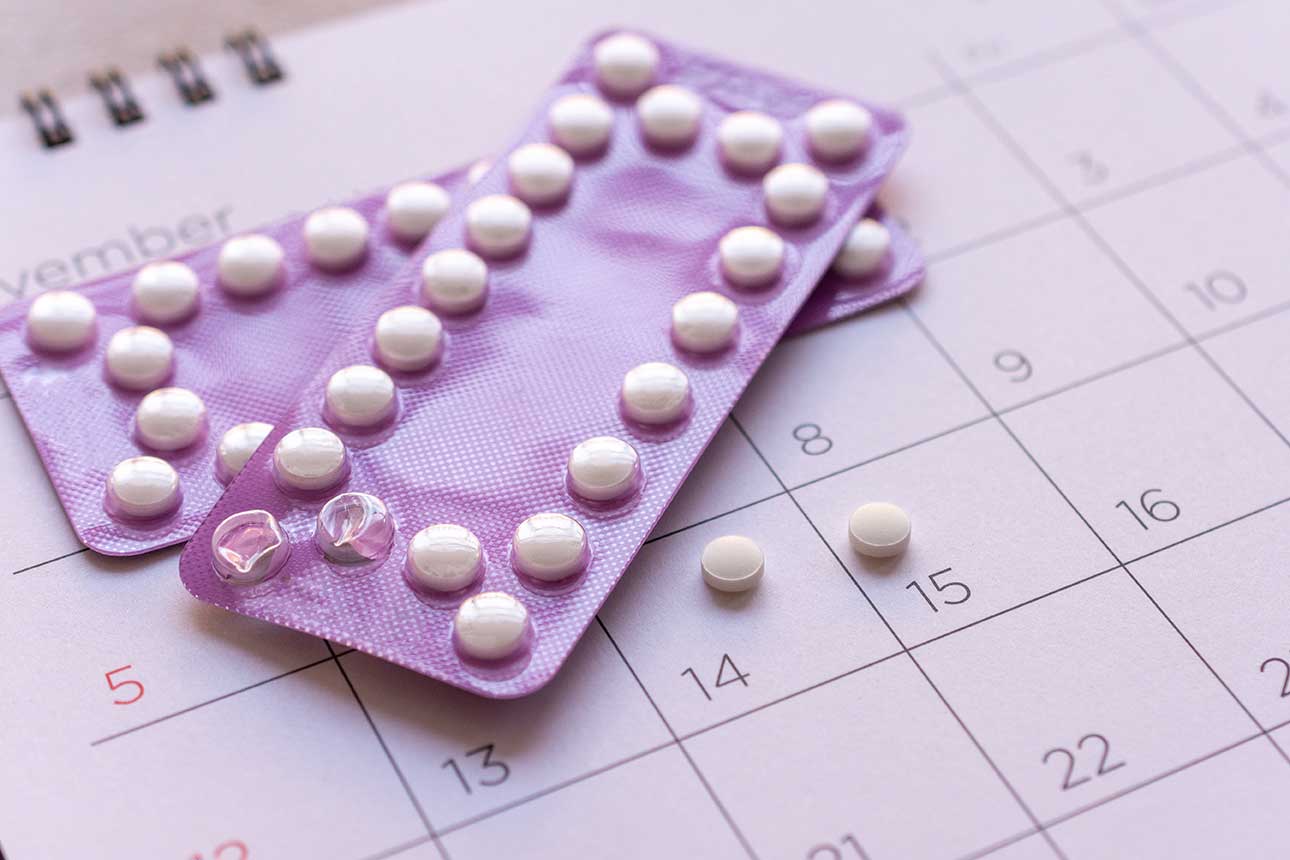
Oral Contraceptive Pill

Ask The Lady Doctor – Which contraceptive should I choose (Part IV)

Oral Contraceptive Pill (OCP)

OCP’s might be considered second only to penicillin as the most revolutionary drug ever discovered. It is a medication so ground-breaking that it eventually became known simply as “The Pill”.

Since it’s introduction in 1960, The Pill has given women a control over their fertility (and sexuality) that was unknown previously. The idea that a woman could actually plan her life out and decide if and when she wanted children was totally emancipating. During the last 50 years, many women have opted to postpone childbearing in favour of establishing a career. Hence we now see many first-time mothers at ages 30, 35 and even 40 years of age.

Efficacy

The first OCP was prescribed for regulation of periods and to married women only. It was initially feared that its use would result in sexual promiscuity. 50 years later, the OCP has become the most widely used and successful method of reversible contraception in the world. Its continued use and popularity is attributed to several factors:

· OCP’s are highly effective (when used properly, almost 100% effective)

· OCP’s are easy to use (but you must remember to take your pill daily)

· OCP’s can be discontinued easily and their effects rapidly reversed

· OCP’s tend to make menstruation less uncomfortable and flow lighter

What are the risks?

What about the risks associated with taking OCP’s? The fact is that the risks of taking the OCP are lower than the risk to life associated with pregnancy. Practically all of this risk is related to cardiovascular disease. Two groups of women who should NOT take OCP’s are:

· Those with additional health problems (hypertension, obesity, diabetes) · Those who smoke cigarettes and are over 35

The original “Pill” had more estrogen and progesterone than those currently available. Many of the untoward side effects were a result of higher hormonal concentrations in the preparations. The trick was to reduce the hormone content of the pill enough to limit side effects while still maintaining its effectiveness. The current OCP’s generally contain 15-50 mcg of estrogen or less. The amount of progesterone varies. It is estimated that 90 per cent of women of childbearing age should be able to take OCP’s without menstrual irregularities. Indeed, 80 per cent of women can take OCP’s without noticing any unpleasant side effects after three cycles of use.

How does the OCP work?

The OCP has three actions that prevent pregnancy. First, it inhibits ovulation. Second, it changes the cervical mucus to a thick, sticky material making it difficult for sperm to penetrate. Third, the OCP renders the endometrial lining of the uterus thin and inactive – basically, unable to support the implantation of an embryo.

Types of OCP’s

OCP’s come in two types of preparations. The first is the combination pill. It contains both estrogen and progesterone and is taken for 21 days with a 7-day break before starting the next package. The 7-day break allows the endometrial lining to shed and you have a period.

Certain pills are called “monophasic” or “triphasic”. This refers to varying amounts of progesterone, i.e. a package of triphasic pills will have differing concentrations of progesterone in the first pills of the month compared to the middle and the end. This is an attempt to mimic the body’s natural variation in the hormone.

The second type of OCP is the progesterone only pill – often called the “mini pill”. These preparations contain NO estrogen. They are taken continuously without a break for bleeding.

Side Effects

The most commonly encountered side effects associated with OCP use are nausea, headaches, weight gain, breast tenderness and break through bleeding (i.e. spotting between periods) and decreased libido.

Most of these side effects are attributed to the either the estrogen or the progesterone content of the pills. Many women find that these unpleasant effects spontaneously resolve after 2 or 3 cycles. Others may not tolerate the OCP well because of it’s androgen effects (male hormones) i.e. acne, oily skin & scalp, rash, itchy skin or increasing hairiness.

When side effects persist after a reasonable trial of medication (3 months) a different OCP with less androgen activity can be tried. The androgen activity is directly related to the progesterone content (almost all types of progesterones have androgen activity). In Canada, there are at least 20 different OCP’s that your doctor can choose from.

Complications of OCP’s

Oral contraceptives are a good choice for contraception in women who are “healthy”. There are many complications associated with their use in women who already have risk factors for disease. These include increased incidence of heart attacks, strokes, thrombophlebitis (blood clots) and gallbladder disease. Most of this increased risk is associated with the estrogen component of the pills which is why current OCP’s contain much less estrogen than previously.

Women who smoke should not take OCP’s. Period. Women who smoke and are over age 35 put themselves at serious risk of developing life-threatening disease.

· If your cholesterol level is high, the OCP is not a good choice for you.

· If you have a blood-clotting problem (i.e. your blood has a tendency to clot easily), you should not be on the OCP.

· If you have high blood pressure (hypertension), you should not be on the OCP.

· If you have diabetes or are obese you should not be on the OCP.

Is The Pill for me?

Remember:

· OCP’s can be used by healthy women between 35 and 45 years of age who DO NOT SMOKE.

· OCP’s do NOT need to be discontinued every few years to give your system “a break”.

· OCP’s containing estrogen should be stopped 1 month prior to elective surgery to decrease the chance of a post-operative phlebitis (blood clot in a leg vein that can travel to the heart).

· There is a very low risk of “post pill amenorrhea” (cessation of menstruation) following discontinuation of the OCP. The range is 0.2% to 3.1% and is NOT related to length of time on the OCP. In other words, it could take a couple of months for you to get pregnant after stopping the Pill.

The OCP and Cancer

The big question on everyone’s mind when it comes to “The Pill” is whether or not it “causes cancer”. There have been many studies looking at this question over the last 40 years. Allow me to distil down the salient points.

· There MAY be a slight increase in risk for developing breast cancer among OCP users, however women who develop breast cancer* while on the pill are less likely to have a tumour that has spread. Early diagnosis in these individuals may result in higher cure rates than for women who have never used the OCP. · The OCP is actually PROTECTIVE against ovarian and endometrial cancers.

· The OCP does NOT cause cervical cancer; however, it does not protect against it, either.

The Bottom Line

The OCP is a highly effective, easy to use, reliable form of contraception. The majority of healthy women can use it without any untoward side effects. There are numerous choices of OCP. If you find you are experiencing any bothersome side effects, a different preparation can be tried. OCP’s vary in their estrogen, progesterone and androgen activity. By selecting a preparation with more or less of one component, your doctor can individualize your contraceptive choice.

For a complete review of this topic, please visit any of the following websites:

WebMD HealthLine NCBI (a more scholarly review.) Women’s Health Matters

More :

Part-1 :  Natural Family Planning
Part-2 : Barrier Methods of Contraception
Part-3 : Contraceptive – IUD
Part-5 : Which contraceptive should I choose?

© Nov. 2020 Ask The Lady Doctor by Dr Shannon Lee Dutchyn, MD, CCFP, FCFP

Contraceptive – IUD

Ask the Lady Doctor – Which contraceptive should I use? 

Part 3 – IUD’s

The IUD (intrauterine device) is an attractive method of birth control for many women because it is highly effective (99% efficacy), has few associated side effects and is “no nonsense” – meaning once it is in you can forget about it and don’t have to do anything else.  You don’t have to remember to take a pill or interrupt the “moment” to put a condom on correctly. And, an IUD does not affect your future fertility – as soon as it is removed you can get pregnant. You may hear the term “long-acting, reversible contraception” or LARC. That is exactly what an IUD is.

How does an IUD work?  

An IUD is a small, T-shaped device no bigger than a quarter. Your physician inserts it up into the uterus during an office visit. The IUD strings are soft and pliable and will protrude from the opening to the uterus so that the IUD may be removed when desired. The strings are not felt by the woman’s partner and do not interfere with intercourse or the use of tampons.

There are two types of IUDs:  hormonal and non-hormonal (copper).

The copper IUD functions to irritate the endometrial lining of the uterus – a foreign body is present and the body reacts.  The addition of copper to the IUD increases this inflammatory reaction producing an environment that is inhospitable to sperm.  This inflammatory reaction rapidly disappears with removal of the IUD and fertility is restored.

The pregnancy rate among users of the IUD is 2 to 3 per 100 woman years of use.  If pregnancy does occur while using the IUD, it should be removed promptly as there is an increased rate of spontaneous abortion (miscarriage), ectopic pregnancy (pregnancy located outside the uterus), and prematurity.

The copper IUD is generally left in place for 5 – 10 years. In Canada, there are a variety of brand name copper IUDs available:

  • Liberte
  • Flexi T
  • Mona Lisa
  • Nova T

A copper IUD will cost between $80 and $160 depending on the brand and the length of time it can be used for. The biggest side effect associated with a copper IUD is bleeding and cramping. Copper IUDs may make periods heavier and are generally contraindicated for women with menorrhagia (heavy, crampy periods).

Copper IUDs may be used for emergency contraception within 120 hours (5 days) of intercourse. They are 99% effective for this purpose.

Hormonal IUDs release progesterone – one of the two hormones found in birth control pills (the other being estrogen).  Progesterone prevents fertilization by damaging or killing sperm and making the mucus in the cervix thick and sticky, so sperm can’t get through to the uterus. It also helps to keep the endometrial lining of the uterus thinner which makes it a poor place for a fertilized egg to implant and grow.

Progesterone IUDs are known to reduce menstrual bleeding and cramping and for this reason many older women who may not require contraception but are not yet menopausal, choose to use the Mirena therapeutically to reduce excessive bleeding.

The two hormonal IUDs now available in Canada are Mirena and Kyleena.

The Mirena IUD:

  • Reduces heavy menstrual bleeding by an average of 90% after the first few months of use, (making it the therapeutic choice for menorrhagia)
  • Reduces menstrual bleeding and cramps
  • May cause amenorrhea (cessation of menses altogether)
  • May prevent endometrial hyperplasia or endometrial cancer.
  • May effectively relieve endometriosis and is less likely to cause side effects than high-dose oral progestin.
  • Reduces the risk of ectopic pregnancy.
  • Does not cause weight gain.
  • Can be left in for up to 5 years.

Kyleena IUD (New in 2017)

  • This IUD is designed for nulliparous (never pregnant) women who would like contraception for up to 5 years.
  • It has less progesterone (19 mcg as opposed to 52 mcg in Mirena)
  • It is more slender for ease of insertion (for women who have not have had children)
  • Generally causes menses to be shorter and lighter
  • May cause periods to cease in some women
  • Associated with fewer side effects
  • Often a better choice for women under 30

Both progesterone IUDs are offered at the same price point – just a little under $400. This may same like a lot of money for contraception, however, when you compare it to the cost of 5 years worth of oral contraceptive pills, for example, an IUD is much more economical.

The IUD does not protect against STI’s (sexually transmitted diseases) and condoms should be used for this purpose.

Complications associated with IUD insertion

 There are very few problems associated with insertion of an IUD but they can occur. Your doctor will review the following possibilities with you while assuring you that these occurrences are extremely uncommon.

 Perforation of the uterus

This complication of IUD use is associated with 1 in 1000 insertions. The IUD should be removed if the uterus has been perforated. Fortunately, this is a very rare occurrence even though it is a potentially serious complication.  Excessive pain (cramping) is the main symptom. Your doctor would send you for either an x-ray or an ultrasound test to locate the device.  If it is outside the uterus (i.e. in the abdominal cavity) it must be surgically removed to prevent adhesions and bowel obstruction.  A perforated uterus will heal up nicely on its own and does not affect your ability to have a child.

Infection

When the IUD is inserted into the sterile uterine cavity, bacteria are inadvertently introduced – no matter how careful the physician.  Your immune system usually has no problem arresting any developing infection.  Nevertheless, occasionally pelvic infections may occur following IUD insertion.  Infection rates are highest in the first 2 weeks following insertion.  Your risk for developing a pelvic infection with IUD insertion increases if:

  • You have a prior history of PID (pelvic inflammatory disease)
  • You are younger than 25 and have not had children
  • You have multiple sex partners

Expulsion     

Another complication of IUD usage can be spontaneous expulsion. About 2 to 10 out of 100 IUDs are pushed out (expelled) from the uterus into the vagina during the first year. This usually happens in the first few months of use.

Expulsion is more likely when the IUD is inserted right after childbirth or in a woman who has not carried a pregnancy. When an IUD has been expelled, you are no longer protected against pregnancy. If the Mirena or Kyleena is expelled within the first few weeks of insertion, the manufacturer will replace it free of charge. Again, the risk of a second expulsion is very low.

What are the side effects of having an IUD in place?

Copper IUDs have few side effects beyond bleeding and cramping. Progesterone IUD’s can cause hormonal side effects similar to those caused by oral contraceptives. These include:

  • Abnormal bleeding (spotting or heavier bleeding)
  • Acne
  • Worsening migraine headaches
  • Worsening depression
  • Decreased libido
  • Benign ovarian cysts (that resolve spontaneously)

If you suffer with any of these conditions it does not mean that a hormonal IUD is not an option. It does mean, however, that your physician should weigh the pros and cons of copper versus progesterone IUDs and select the one that is best for you. Often, the medicated IUD with less progesterone (Kyleena) can still be a good choice for women who are being treated for depression or suffer with migraines from time to time.

The majority of side effects cause by the IUD will resolve within a few months. Remember that by far the most common side effect of having any IUD in place is bleeding.

What is it like to have an IUD inserted?     

 It is about a 20-30 minute office procedure to have an IUD inserted.  Your doctor may suggest that you take a mild analgesic prior to the procedure to help with any cramping.  You will provide a urine sample to make sure you aren’t pregnant.

A doctor or nurse may put in your IUD. You will be asked to put your legs up into stirrups (the lithotomy position), the same as for a PAP smear or pelvic exam. A sterile speculum is inserted into the vagina so that the doctor can visualize your cervix. An instrument is used to open the cervix and the IUD is placed up inside the uterus. Some people feel a bit light-headed or faint for a few minutes following the procedure. Any cramping during the insertion usually subsides as soon as the IUD is in place. You are likely to experience some bleeding immediately afterwards.

Most physicians will ask you to return in 6-8 weeks for follow-up. Having an IUD in place doesn’t change your need for PAP smears. Remember that many IUD’s will stop your period but you needn’t worry about pregnancy just because you don’t have a period. Should you desire to have the IUD removed, your doctor will simply insert a speculum and grab onto the strings in one swift move that is mildly uncomfortable.

 The Bottom Line

An IUD is a no-nonsense, effective and reliable form of contraception preferred by many. However, there are a few issues to consider in determining if this form of contraception is right for you. Your doctor will explore the various options, discuss the side effects and explain the insertion process.

For a thorough review of this subject, I recommend the following on-line resources:

HealthLink BC
Planned Parenthood
The Mayo Clinic – Mirena IUD
Kyleena
Healthline

More :

Part-1 :  Natural Family Planning
Part-2 : Barrier Methods of Contraception
Part-4 : Oral Contraceptive Pill (OCP)
Part-5 : Which contraceptive should I choose?

Reference:

Beck, William.  Obstetrics and Gynecology.  4th Edition.  Williams & Wilkins.  1997.

© November 2020, Ask The Lady Doctor – Dr Shannon Lee Dutchyn, MD, CCFP FCFP

Contraceptive: Barrier Methods

Ask the Lady Doctor – Which contraceptive should I use?

Part 2: Barrier Methods

Our ancestors contrived many “barriers” to copulation and pregnancy.  The chastity belt was a very effective, albeit slightly barbaric way for a man to ensure that his woman did not take a lover during her mate’s absence.  These contraptions were made of metal and frequently had barbs on them to discourage “intruders”.  They had very small openings for urination and defecation and were actually locked with a key.  Admittedly, the ultimate goal here was not contraception but that was a happy side effect.

Today, a woman who wants to take charge of her fertility has several choices – particularly when it comes to using barrier methods of contraception.  Condoms, diaphragms, vaginal sponges, spermicides and cervical caps all afford a fairly high rate of efficacy against pregnancy along with the added bonus of protecting against STDs (sexually transmitted diseases).  They are also relatively free of any risk to the user. However, it is important to realize that diaphragms, spermicides and cervical caps are difficult to obtain in BC and over the past 20 years have gone out of favour.

Condoms have been around for millennia.  They are effective, safe and inexpensive.  They are also ubiquitous – conveniently located in most public washrooms and in all pharmacies and corner stores.  The rate of pregnancy with proper condom use (i.e. with EVERY act of coitus) is about 5-10% (i.e. 5-10 pregnancies per 100 woman years of use).  This can be improved with the concomitant use of spermicides.

Latex condoms are airtight and water tight which renders them impermeable to most microbes that can cause STDs.  Herpes, gonorrhea, chlamydia, trichomonas, syphilis and HIV cannot penetrate latex condoms (but all bets are off if you are using lambskin!)  Since cancer of the cervix is associated with herpes simplex virus as well as human papilloma (wart) virus and chlamydia, the regular use of condoms is also protective against cervical dysplasia (cell changes leading to cancer).

The female condom has been around since the early 90’s but has failed to gain popularity as a method of birth control. Couples have complained that it is awkward to use, unsightly and slippery. One study found that it takes an average of 15 tries before the condom stays in place correctly and doesn’t slip. Further, the female condom is three times the price of the male condom. For a good review of the correct use of this method click HERE.

Spermicide literally “kills sperm”.  It comes in a variety of preparations:  creams, jellies, aerosol foam and suppositories (both foam and non-foaming).  The spermicide acts as a barrier that prevents sperm penetration.  The active agents within the spermicide kill sperm and decrease their motility.  Spermicides inactivate the enzymes contained in the head of the little creatures so that they can’t penetrate the egg.  There are in excess of 100 million sperm in a single ejaculate.

Spermicides are associated with a pregnancy rate of 5-25 per 100 woman years of use.  Their effectiveness is related to the couple’s motivation to use them consistently with every act of coitus.  They are very safe with no serious side effects.  Previous concerns about an increased risk of spontaneous abortion (miscarriage) and congenital defects have NOT been substantiated.

The diaphragm is a dome shaped, latex rubber barrier that must be fitted by your family doctor or gynecologist.  It is both a physical barrier and an effective vehicle to carry spermicide.  A diaphragm must be left in place for 6 hours following intercourse and more spermicide needs to be used if intercourse occurs again within this time.  The pregnancy rate associated with correct use is 5-10 per 100 woman years of use.  There is a slight increased frequency of urinary tract infections among some users possibly due to compression of the urethra.  The diaphragm is also thought to be protective against pelvic inflammatory disease.

The cervical cap is similar in its effectiveness to the diaphragm.  It is more difficult to fit.  It, too, must be left in place for 6 hours after intercourse.  Unlike the diaphragm, you don’t need to use a spermicide with the cap and you can leave it in place for up to 36 hours.

The vaginal sponge is made of a polyurethane material, which is impregnated (excuse the pun) with nonoxynol 9 (a spermicide).  The spermicide is released during coitus.  It functions to absorb ejaculate and block the entrance to the uterus.  It is effective for up to 24 hrs and is associated with a 10-15 percent pregnancy rate. There is NO risk of toxic shock syndrome with use of the vaginal sponge. Vaginal sponges, spermicides, male and female condoms are available in Canada over-the-counter without a prescription.

For an excellent and more complete review of this topic, please visit JOCG (The Journal of Obstetrics and Gynecology) on line.

In Part 3 in this series on contraception we’ll take a look at the IUD (intrauterine device).

More :

Part-1 :  Natural Family Planning
Part-3 : Contraceptive – IUD
Part-4 : Oral Contraceptive Pill (OCP)
Part-5 : Which contraceptive should I choose?

The author is Dr Shannon Lee Dutchyn, MD, CCFP, FCFP, a Canadian physician.

© October 2020.

Breast Cancer Awareness Month

October is Breast Cancer Awareness Month

Also known a “pink ribbon day”, October 13 is the official start of the annual campaign that helps bring awareness of breast cancer, its diagnosis, treatment and sometimes palliation.  This is happening all over the word in support of research, education and becoming more aware of the patients and families who have struggled with this diagnosis.

Evelyn Lauder of SELF magazine is credited with coming up with the idea for wearing a pink ribbon way back in 1992.  Pink has always been considered a feminine colour and it is also thought to emphasize calmness and serenity.

Pink ribbons are worn in the month of October to express moral support for those patients and families who are struggling with breast cancer.

Breast Cancer in Canadian Women

In Canada, 1 in 8 women will develop breast cancer in their lifetime. One in 33 will die of breast cancer. Although medical science has made great strides in early detection, (due to mammography), treatment and cure, breast cancer is still a very scary disease.

According to Canadian sources (www.canada.ca) in 2019, 26,900 women were diagnosed with breast cancer and around 5000 died of it.  Breast cancer is still the most common form of cancer in women after non-melanoma skin cancers (i.e. basal and squamous cell cancers which don’t kill you.)

Risk factors for breast cancer include:

  • Family history (mother, sister or daughter diagnosed prior to menopause)
  • Age over 50 (the majority of breast cancer is diagnosed in older women
  • A family member with BRCA1 or BRCA2 genetic mutation
  • Obesity
  • Smoking
  • Previous breast disorders
  • Early menarche (first period prior to age 11)
  • Alcohol abuse
  • Taking hormone replacement therapy longer than 5 years
  • Menopause later than age 55
  • No full term pregnancies
  • First full term pregnancy after age 30

In a normal, healthy body, there is a cycle of breast tissue cells being born, growing and dying. This process repeats itself over and over throughout a woman’s life. Sometimes the cells don’t die the way they are supposed to and this abnormal growth can lead to a tumor of the breast tissue.

Image Source: National Cancer Institute  (www.cancer.gov)

There are several different varieties of breast cancer including ductal carcinoma, lobular carcinoma and Paget’s disease of the breast.  The majority of breast cancers start in the milk ducts. These cancers are usually slow growing and it might be 10 years before the tumor is big enough to be seen on a mammogram.

Ductal Carcinoma in Situ (DCIS) is considered a non-invasive cancer that is highly curable. It is important not to ignore this diagnosis as often DCIS will become invasive.

The term Invasive Breast Cancer refers to a tumor which is no longer contained in the lobule or the duct of the breast and has moved outside the breast tissue often to lymph nodes.

Metastatic breast cancer has moved from breast and lymph node tissue to other organ systems. Breast cancer tends to spread to bones, liver, lungs and brain.

Current breast cancer treatment may include mastectomy or lumpectomy (breast-conserving surgery), radiation, chemotherapy and hormonal therapy. Which treatments are selected depends on a number of factors including the type of cancer, the age of the woman, the preference of the woman and the cellular markers on the tumor.

Breast cancer screening guidelines have changed several times over the last decade and are still a hot topic of debate among the experts. The current recommendations are for women who do NOT have any increased risk of breast cancer (i.e. no family history, etc.) Women between the ages of 50 and 74 should be screened every 2-3 years. It is not recommended that women younger that 50 are screened as it may do more harm than good (for example, the mammogram may suggest there is a cancer when there is not).

To learn more about breast cancer, I recommend the following websites:

The Canadian Task Force

The Mayo Clinic

Susan G. Comen

This article was written by Dr Shannon Lee Dutchyn, MD, CCFP, FCFP

Canadian physician.

© October 2020

Let’s talk about contraception

Ask the Lady Doctor – Which contraceptive should I use?

Part 1: Natural Family Planning

Contraception is a delicate subject – but an important one. The best way to prevent unwanted pregnancies and abortions is prevention – and the best contraceptive method is the one that you are comfortable with and will use properly. As long as women are the ones who are getting pregnant, they must take the primary responsibility for contraception. It’s never as simple as Dear Ann Landers claimed–“just hold an aspirin firmly between your knees!”

A bonus with some forms of contraception is that not only do they prevent pregnancy, they also afford a certain amount of protection against sexually transmitted infections, (STI’s). The term venereal disease (VD) is no longer politically correct since sexual intercourse is not the only way to acquire these nasty bugs!

In this first of a 5 part series on the subject of contraception we will look at the fertility cycle and “Natural Family Planning” (also known as “the rhythm method”.) Subsequent blog articles will examine barrier methods, IUD’s, oral contraceptives and other methods of birth control.

Natural Family Planning (NFP) is a method of birth control that is acceptable to some women who are unable to use hormones or who find barrier methods objectionable based on personal and religious beliefs. Basically, this method requires that a woman get to know her body very well. The idea is that one abstains from sexual intercourse during the fertile phase of the menstrual cycle. Unfortunately, the rate of conception with this method is high, approximately 10-15 births per hundred woman years of “exposure”.

The principle is simple. The hormones estrogen and progesterone affect cervical mucus and basal body temperature during a woman’s cycle. It is possible to monitor the characteristics of the mucus and measure body temperature in order to predict ovulation.

Here are the facts:

* Ovulation occurs on only 1 day in each cycle
* the egg lives only 12-24 hours if not fertilized
* Sperm need mucus to survive (without mucus they die within hours)
* Fertility depends on ovulation and satisfactory mucus

Let’s examine the three phases of the fertility cycle.

Phase I–during this time a woman is relatively infertile. Phase I starts with the first day of your menstrual period and continues until a follicle (a spherical structure in the ovary which produces the egg) begins to develop. There can be much potential variation from cycle to cycle making phase I difficult to time.

Phase II–the fertile phase. This phase starts with the developing follicle and ends 48 hours after ovulation. The egg erupts from the ovarian follicle and is viable (i.e. can be fertilized) for 24 hrs. We allow 48 hrs for this phase knowing how imprecise the detection of ovulation can be. Sperm are able to fertilize an egg for 5 days (they just lie around and wait for the egg to show up). So, the combined fertility phase is said to be 6-8 days.

Phase III–absolutely infertile. This phase begins 48 hrs after ovulation and ends with the onset of menstruation.

The idea is to limit sexual intercourse to the absolutely infertile days. So, if we had a way to predict when ovulation occurs then we would have some control over fertility. How do we do that?

The first way is to examine cervical mucus. All women of childbearing age will notice a vaginal discharge called mucus. This discharge is perfectly normal. It is an indication of good health and tells a woman that this is the time when an act of intercourse may cause pregnancy. As stated earlier, cervical mucus changes throughout the menstrual cycle as it is influenced by estrogen. Immediately after menses, there will be little or no mucus. If there is any present it will be thick, tacky and opaque. It is not stretchy but sticky. Indeed, many women experience a dry sensation during this time.

As the follicles in the ovary develop they produce more and more estrogen. The cervix responds to this increase in estrogen by producing a more abundant, thin, stretchy mucus that is clear and watery–resembling raw egg white. There is frequently a sensation of wetness and slipperiness. These are the most fertile days. The peak cervical mucus secretion occurs at the height of estrogen production–this occurs 1-3 days prior to ovulation. However, this time is only identifiable in retrospect. The PEAK RULE states that from the fourth day past the peak, a state of infertility persists until the beginning of the following menstruation.

During ovulation, there is a sudden rise in progesterone which causes a rapid change in cervical mucus. The quantity decreases markedly and the mucus becomes thick, sticky and opaque once again.

If you do not wish to have a child:

* Avoid intercourse during menstruation;

* Avoid intercourse on days when the mucus is present and for at least three days afterwards;

* Avoid intercourse on days of slight bleeding and for at least three days afterwards, when bleeding occurs between one menstruation and the next;

The second way to predict ovulation is by measuring your basal temperature. Basal temperature means “baseline”–i.e. after sleeping, prior to rising or doing any activity. This is your “resting” temperature.

Progesterone has a thermogenic effect, that is to say, it raises our basal body temperature. However, this is a very subtle increase–0.4 to 1.0 degrees Fahrenheit (or 0.5 degrees Celsius)–so you must have a very accurate thermometer! This rise in temperature detects only the end of the fertile phase (our temperature remains elevated for 3 days after ovulation). Thus, if one limits intercourse to the period commencing 3 days AFTER the rise in temperature until the end of the cycle, it is possible to avoid pregnancy.

Today, there are testing kits available at your local pharmacy that can help you to predict when you ovulate as well as apps for your smart phone that can help you to regulate your cycle. Keep in mind that the pregnancy tests that are sold at all pharmacies are extremely accurate.

The information presented here is an overview only. It takes a great deal of determination and commitment to familiarize oneself with one’s monthly cycle and to feel comfortable and confident that you know when your infertile phase begins and ends. Your family doctor can help you with the specifics of learning how to use Natural Family Planning.*

Next topic: Barrier Methods of Contraception

More :

Part-2 : Barrier Methods of Contraception
Part-3 : Contraceptive – IUD
Part-4 : Oral Contraceptive Pill (OCP)
Part-5 : Which contraceptive should I choose?


*For further reading online: Billings Ovulation Method